
A sugar-free label on a bottle of probiotic gummies doesn't always promise sensitive stomach relief; it's often just a different kind of marketing dressed up as a health claim. That question lands in my inbox more than any other, usually from someone standing in a Target aisle exactly where I used to stand, holding two nearly identical bottles and trying to figure out which one is telling the truth.
Quick disclosure before we get into it: this post contains affiliate links, and I earn a commission on a few of the products below if you buy through them, at no extra cost to you. I only recommend gut supplements I've actually kept on my own kitchen table and tested on my own touchy stomach. I'm a fourth-grade teacher, not a doctor or a dietitian, so nothing here replaces an actual conversation with your own physician.
Capsules were my first attempt, years ago, and I gagged on the second pill before I'd even finished reading the label on the bottle. That single memory is probably why I've spent so much time since then figuring out which gummy formulas actually hold up, instead of just grabbing whatever bottle has the prettiest packaging.
Does Sugar-Free Actually Mean Gentler on Your Gut?
Here's the direct answer: not automatically, and that's the myth I want to knock down before anything else. A lot of people assume "sugar-free" is shorthand for "safe for a sensitive stomach," the same way they'd assume a quiet classroom automatically means good learning is happening. Neither assumption holds up once you look closer.
Sugar itself is part of the problem, sure. It can feed the bacteria you don't actually want more of, which is a little like handing extra art supplies to the one student who already draws on the walls. But the fix isn't as simple as swapping sugar for a sugar alcohol like sorbitol or maltitol and calling it a day. In my experience, and in plenty of reader emails I've gotten since I started writing about this, those substitutes can cause more bloating than the sugar ever did, not less.
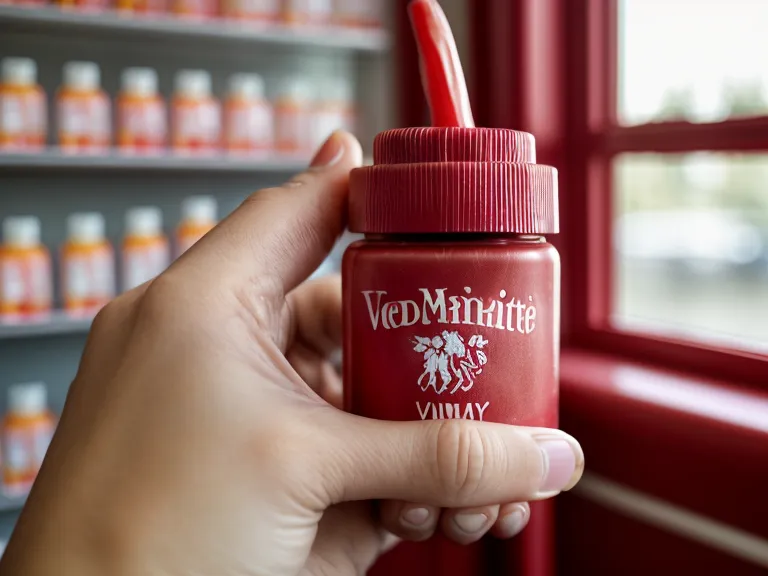
The Sugar-Alcohol Swap Nobody Warns You About
Reading past the front label matters more than most people realize, and it's genuinely a skill I've gotten better at, the same way I've gotten better at spotting which fourth grader actually did their own homework. Where exactly the added sugar is hiding, and what it's been swapped out for, is a close-reading exercise I've written about in more detail elsewhere on this site, but the short version is that "sugar-free" printed in bold letters tells you almost nothing about how a gummy will treat your gut on its own.
My colleague Frieda, who teaches the class right through the wall from mine, is stubbornly skeptical of anything marketed as a shortcut to better health, and she was right to raise an eyebrow the first time I showed her a "sugar-free" bottle. A sweetener swap that avoids the word "sugar" on the label isn't automatically kinder to your digestion. Sometimes it's the opposite.

Why the Capsule-vs-Gummy Fight Isn't About Willpower
Format matters here too, and I think it gets dismissed too quickly. People act like preferring a gummy over a capsule is a discipline problem, as if the rest of us just need to try harder to swallow a pill. One PTA parent from my school, Odessa, emails me now and then with supplement questions, and she's told me flatly that even a chewable aspirin is a fight for her. That's not a willpower issue. That's just how some bodies work, and pretending otherwise doesn't help anyone actually take a supplement consistently.
Whether a capsule or a gummy gets a probiotic strain into your system in a meaningfully different way is a separate, more technical question, and one I've dug into elsewhere rather than trying to answer it here. What I can tell you from my own kitchen table testing is that the format you'll actually remember to take every single day usually beats the format that's theoretically "purer" but sits in the cabinet unopened.
Grading the Ingredient List Before the Marketing Copy
Before I even glance at the price or the packaging, I check three things: the strain count, whether there's a fiber-based binder instead of a sugar alcohol, and whether the company is upfront about CFU count instead of burying it in tiny print. I'm not going to walk you through the math behind CFU numbers here, but a company that hides that number on the label usually has a reason.
Probiotics and prebiotics get lumped together constantly, and they're not the same category of ingredient, even though I won't get into that difference in this post. Leaky gut theory comes up in reader questions too, often in the same breath as "sensitive stomach," and that's genuinely a deeper rabbit hole than what we're covering here. What I will say is that my own testing setup is unglamorous: bottles rotate through a tray on my kitchen table, and after enough rounds of them knocking against each other, the labels pick up this fine, powdery dust off the gummies themselves that tells you they're pectin-based rather than gelatin.

PrimeBiome, GUT VITA, and SynoGut Don't Grade the Same
PrimeBiome is the one that's earned a permanent spot on my tray. It's a multi-strain formula built specifically around digestion, without the heavy sugar load I was so tired of scraping off ingredient labels. The company backs it with a ninety-day refund window, which works less like a marketing gimmick and more like an actual semester-length trial period, plenty of time to know whether your gut agrees with it before you're stuck with a half-empty bottle you can't return. If a sugar-free gummy is going to earn a spot on your own shelf, the PrimeBiome details here are worth a look before you decide.
Other options come up constantly in reader questions, so it's worth naming them plainly. GUT VITA is a capsule, which rules it out for me personally, but the ingredient list is refreshingly straightforward and most reviewers report no adjustment period at all, a fair pick if pills don't bother you and budget is the priority. SynoGut leans fiber-forward rather than strain-forward, which matters if regularity is your main complaint rather than general sensitivity; just know that soluble and insoluble fiber behave differently in your gut, and I'm not going to unpack that distinction in this particular post. It's also a capsule, not a gummy, so it doesn't get my convenience vote, though I've laid out a fuller side-by-side in my SynoGut vs Gut Vita comparison.
Digestive enzymes get thrown into this same conversation a lot too, and they're solving a different problem than a probiotic is, a distinction I'll save for its own post rather than squeeze in here. Not every bottle I've tried earned a spot on the tray, either. One early drugstore find, a generic fake-berry gummy with no real strain information on the label, tasted like chewable chalk and did nothing noticeable for my stomach in either direction, which is its own kind of answer.

The One Rule I Don't Bend On
I test new bottles the way I test a new read-aloud with my class: over time, under real conditions, not in some quiet control setting. A bottle that performs fine sitting on my counter has to also perform on an ordinary Saturday loop around Chatfield State Park, with no bathroom mapped out in advance, before I trust it. That's a higher bar than most marketing copy is built to survive.
Not long ago I stayed through an entire lunch in the teachers' lounge, caught up in whatever ridiculous story a student had told that morning, and it wasn't until I stood up that I noticed I hadn't once thought about where the nearest bathroom was. That's not a dramatic before-and-after story. It's just the kind of small, boring proof that actually convinces me something is working, more than any bottle's front label ever could.
So here's the actual rule, the one I don't bend on no matter how good the marketing copy sounds: if a gummy swaps sugar for a sweetener I can't pronounce and won't tell me its CFU count, it goes back on the shelf, sugar-free label or not. Supporting your gut microbiota doesn't require a chemistry degree, just a willingness to read past the front of the bottle.
Your gut works a lot like my classroom, honestly. Give it the right environment and the right "students," meaning the actual bacteria strains, and things run themselves. Choosing a well-made sugar-free option like PrimeBiome is closer to bringing in a substitute teacher who already knows the routine than gambling on whoever happens to be free that day.
If your stomach is pickier than most, my guide to the best probiotics for IBS and sensitive stomachs goes further into that specific territory than this post does. And if you're ready to try the gummy that's earned the longest-standing spot on my tray, PrimeBiome is the one I'd point you toward first, sugar-free, multi-strain, and finally worth the marketing copy printed on the label.