
Ten capsules, counted twice, because that's the actual test behind every one of my gut health reviews: does a natural constipation relief formula hold up ingredient by ingredient, not just on the label copy. SynoGut passes that test on paper — psyllium, prune, and oat bran are a legitimate combination for regularity — but it's a fiber supplement built entirely as a capsule, not a gummy vitamin, and that single fact ends up mattering just as much as what's inside the bottle.
Quick disclosure before the ingredient audit starts: this review contains affiliate links, and if you buy through one, I earn a small commission at no extra cost to you. Nothing here is paid placement. Three years into reading gut supplement labels the way other people read syllabi, every product mentioned still gets read cover to cover, ingredient list and all, before it earns a spot in a review. I'm not a doctor or a dietitian, just a teacher with a fussy stomach and strong opinions about ingredient panels, so talk to your own doctor before changing your routine, especially if constipation has stuck around longer than a few weeks.
What's Actually Inside SynoGut's Ten-Ingredient Formula
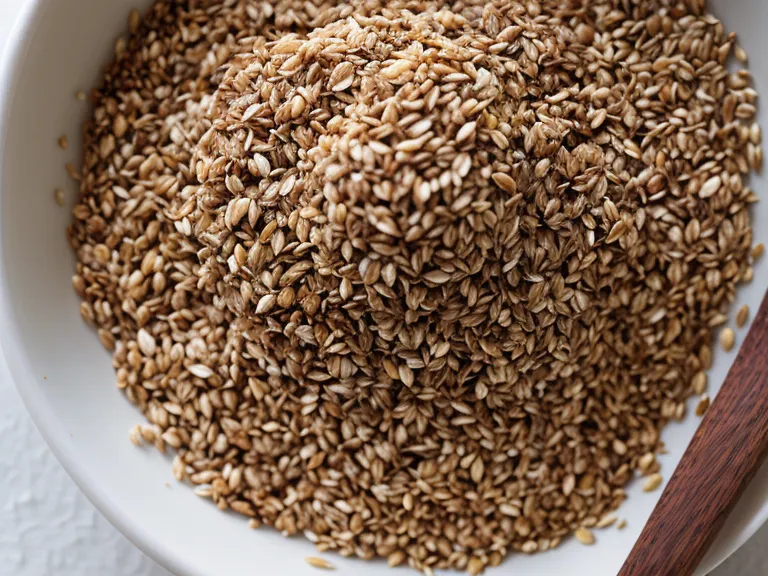
SynoGut's ingredient panel reads like an honors-track roster: psyllium husk, bentonite clay, black walnut, flaxseed, prune, aloe vera, L. acidophilus, apple pectin, glucomannan, and oat bran. Psyllium and oat bran land on the soluble side of that fiber ledger, softening and bulking stool by pulling in water, while flaxseed leans insoluble, adding the kind of bulk that just moves things along mechanically — a distinction most gummy labels skip entirely. SynoGut leans harder into fiber than into live cultures, which makes it closer to a prebiotic strategy that feeds what's already living in your gut than a probiotic one trying to add new bacteria to the mix. Ten ingredients is a lot to grade at once, so I sort them into three buckets: fiber and bulk (psyllium, oat bran, flaxseed, glucomannan), traditional "cleansing" additions (bentonite clay, black walnut, aloe vera), and the lone probiotic strain, L. acidophilus, doing far less heavy lifting than the marketing copy suggests.

How Psyllium, Prune, and Oat Bran Handle the Regularity Problem
Regularity comes down to two mechanical questions: is there enough bulk moving through, and is enough water being pulled toward it. Psyllium answers both by swelling into a gel, prune contributes its own natural water-drawing effect, and oat bran adds sheer volume. None of this touches digestive enzymes, which solve a different problem than probiotics or fiber do and deserve their own separate comparison rather than a footnote here. It's also worth saying plainly that if what's going on goes past occasional constipation into leaky gut territory, that's a different conversation entirely, and not one a fiber capsule was built to answer.
Capsule or Gummy: The Format Decision That Actually Matters
Compliance is the part no ingredient list can fix, and it's the whole reason the capsule-versus-gummy debate exists as its own topic on this site. SynoGut only comes in capsule form, and for someone who dreads swallowing pills at all, that's a real "Needs Improvement" mark no matter how strong the fiber blend underneath it is. During a fiber-aisle stop at Trader Joe's on Leetsdale Drive last month, I counted far more gummy probiotics on the shelf than capsule options, which says something about where consumer preference is actually heading. The elimination diet my doctor suggested a while back didn't make it past day eight, not because the logic was wrong, but because it demanded a level of daily meal-prep a full teaching schedule doesn't leave room for — and that failure taught me more about compliance than any ingredient panel has.
Here's the thing about a supplement working: it isn't measured by the ingredient panel, it's measured by whether you actually take the next dose. My personal decision rule is simpler than any ingredient audit: do my navy slacks still button without digging into my waist by mid-afternoon, or is there a swollen gut fighting the waistband by the time the last bell rings. That's the actual pass-fail test, not a number on a label. If a formula gets you there consistently, format matters less; if you keep skipping the capsule because taking it feels like a chore, the best formula on paper is still an F in practice.
SynoGut vs. PrimeBiome vs. GUT VITA: How to Pick
Lined up side by side, the three options split along fairly predictable lines. PrimeBiome is a gummy built around a multi-strain probiotic blend rather than one big CFU count printed across the front of the bottle, plus a 90-day refund window that works like a no-risk trial period for a new routine — though gummy format also means checking the added-sugar line on its nutrition panel before assuming chewable automatically means healthier. GUT VITA is the budget pick, a no-frills capsule formula for anyone not ready to commit to a premium price point. SynoGut sits in the middle on cost but ahead of both on raw ingredient count, which matters if fiber and traditional "cleansing" additions are the priority over a gummy's ease of use.

Does SynoGut Deliver on Natural Constipation Relief?
Yes, on the strength of the ingredient list alone — psyllium, prune, and flaxseed are a legitimate combination for regularity, and none of the ten ingredients feel like filler. For a longer comparison of this exact fiber-first approach against a gummy alternative, I wrote a separate breakdown at SynoGut vs Daily Fiber Gummies for Better Bowel Regularity. Where SynoGut loses points is entirely about follow-through: a formula only works on the days you actually take it, and a capsule sitting unopened on a nightstand is doing nothing for anyone's gut, which is exactly why anyone who knows they'll default to the easy option is often better served by a gummy format like PrimeBiome instead — and if afternoon bloat during the workday is the bigger issue than morning regularity, the Best Probiotic Gummies for Busy Teachers Dealing with Afternoon Bloat post covers that separately.

If compliance matters more to you than a ten-ingredient roster, the practical move is picking the format you'll actually use every single day rather than the one that looks most impressive on a supplement facts panel. PrimeBiome is where I'd point a fellow pill-avoider first, purely because a gummy you'll actually finish beats a capsule doing homework duty in a drawer, and its refund window gives you room to grade the results honestly before committing further.